 100% FREE ACCESS
9th Standard Syllabus & Materials
9th Standard
TN 9th Tamil உள்ளத்தின் சீர் -கற்கண்டு (இலக்கணம்) - தொடர் இலக்கணம், ஆகுபெயர் Important Questions And Answers Study Material - QB365 Set A
NEW9th Standard
TN 9th Tamil உள்ளத்தின் சீர் -விரிவானம் (துணைப்பாடம்) - தாய்மைக்கு வறட்சி இல்லை! Important Questions And Answers Study Material - QB365 Set A
NEW9th Standard
TN 9th Tamil உள்ளத்தின் சீர் -கவிதை பேழை (செய்யுள்) - மார்கழி பெருவிழா Important Questions And Answers Study Material - QB365 Set A
NEW9th Standard
TN 9th Tamil உயிருக்கு வேர்-இலக்கணம் - பகுபத உறுப்பிலக்கணம் Important Questions And Answers Study Material - QB365 Set A
NEW9th Standard
TN 9th Tamil அமுதென்று பேர் - இலக்கணம்-எழுத்து -அளபெடை Important Questions And Answers Study Material - QB365 Set A
NEW9th Standard
TN 9th Tamil அமுதென்று பேர்-துணைப்பாடம் - ஆறாம்திணை Important Questions And Answers Study Material - QB365 Set A

Published on: 31/08/2026
Download Tamil Nadu 9th Standard Social Science question papers, model tests, one-mark questions, important questions, and public exam papers in PDF format. Free study materials and answer keys for TN State Board students.
Questions + Answers key
Take MCQ Social Science Test
1.
________ is considered a true measure of national income
GNP
GDP
NNP
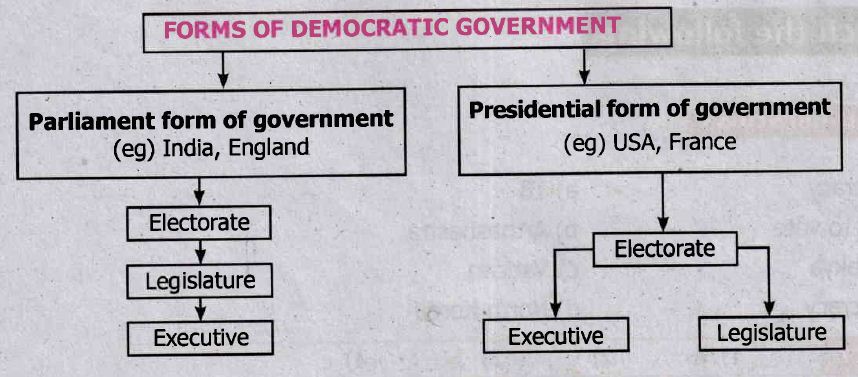
NDP
2.
Former Soviet Union is an example for _________.
aristocracy
theocracy
oligarchy
republic
3.
A system of government in which one person reigns supreme, usually a king or queen, is called________
autocracy
monarchy
democracy
republic
4.
The Harappans did not have the knowledge of
Gold and Elephant
Horse and Iron
Sheep and Silver
Ox and Platinum
5.
The preservation process of dead body in ancient Egypt
Sarcophagus
Hyksos
Mummification
Polytheism
6.
Paper was invented by the _______ .
7.
Chanakya wrote _____________ .
8.
The state having the highest literacy rate in India is __________.
9.
India has a _______form of democracy
10.
The _____ figurines and paintings on the pottery from the sites suggest the artistic skills of the Harappans.
11.
______ specifies the Laws related to various crimes in ancient Babylonia.
12.
State the salient features of the Ziggurats.
13.
The Egyptians excelled in art and architecture Illustrate.
14.
VI.Mark the following places on the outline map of world (7 X1=7)
1. Indus civilisation
2. Egyptian civilisation
3. Chinese civilisation
4. Andes
5. Atlas
6. Rocky mountains
7. Himalayas mountains
15.
Discuss the policies for sustainable development
16.
What are the challenges to Indian democracy? explain
17.
To what extent is the Chinese influence reflected in the fields of philosophy and literature?
18.
Define the terms Hieroglyphics and Cuneiform with their main features.
19.
Expand the following:
1. PPP
2. HDI
20.
What are the indicators of development?
21.
What do you mean by development?
22.
Distinguish between direct and indirect democracy.
23.
Mention the forms of democracy.
24.
Give Abraham Lincoln’s definition for democracy.
25.
Solar energy
26.
Right to vote
27.
Autocracy
28.
Papyrus
29.
Pharaoh
1.
(c)
NNP
2.
(c)
oligarchy
3.
(b)
monarchy
4.
(b)
Horse and Iron
5.
(c)
Mummification
6.
()
Chinese
7.
()
Arthashastra
8.
()
Tamil Nadu
9.
()
Indirect
10.
()
terracotta
11.
()
Hammurabi's law code
12.
1. The Ziggurats were at the city centre on a platform and appeared like steep pyramids, with staircases leading to the top.
2. Around this temple were complexes of ceremonial courtyards, shrines, burial chambers for the priests and priestesses, ceremonial banquet halls, along with workshops, granaries storehouses and administrative buildings.
13.
1. The Numerous sculpture, paintings and carvings attest to the artistic skills of Egyptians.
2. Their writing is also a form of art.
3. Giza pyramids are considered to be one of the wonders of the world.
4. These monuments display the engineering, architectural and human resource management skills of the Egyptians.
14.
15.
USE OF NON-CONVENTIONAL SOURCES OF ENERGY:
(i) India depends on thermal and hydro power plants to meet its power needs.
(ii) Both these sources have an adverse environmental impact.
(iii) They emit large quantities of carbon dioxide, which pollute the environment.
SOLAR POWER:
(i) Solar power is the conversion of energy from sunlight into electricity either directly using photovoltaic cells or indirectly using concentrated solar power.
(ii) Solar panels absorb the sunlight as a source of energy to generate electricity.
(iii) A solar electric system can reliably produce electricity for our home and offices.
(iv) It reduces their electricity costs.
(v) Tamil Nadu is the state with highest installed solar capacity in India.
(vi) Tamil Nadu is one of the leading solar power producing states in India.
16.
Democracy is the dominant form of government in the contemporary world. It has not faced a serious challenge or a rival so far. In the last hundred years, there has been an expansion of democracy all over the world. The various aspects of democracy and its challenges are:
1. Illiteracy
2. Poverty
3.. Gender discrimination
4. Regionalism
5. Casteism, communalism and religious fundamentalism
6. Corruption
7. Criminalisation of politics.
8. Political violence
17.
Philosophy:
1. Lao Tze was the master archive keeper of Chou state. He was the founder of Taoism.
2. He argued that desire is the root cause of all evils.
Confucius:
1. Confucius was famous among the Chinese philosophers and a political reformer.
2. He insisted on cultivation of one's own personal life.
3. He said, "If personal life is cultivated, family life is regulated and once family life is regulated, national life is regulated."
Mencius:
1. Mencius was another well-known Chinese philosopher.
2. He travelled throughout China and offered his counsel to the rulers.
Literature:
1. Chinese poets and philosophers contributed to the development of Chinese civilisation.
2. Sun-Tzu, a military strategist, wrote the work called Art of War.
3. The Spring and Autumn Annals is the official chronicle of the state at the time.
4. The Yellow Emperor's Canon of Medicine is considered China's earliest written book on medicine.
5. It was codified during the time of Han Dynasty.
18.
1. The writing of Egyptians were called hieroglyphic.
2. This form of writing used a pictogram based system.
3. Hieroglyphic was used in inscriptions on seals and other objects.
4. Many texts and books were written using this script.
5. The Egyptian writing system was deciphered by the French scholar Francois Champollion cuneiform.
6. Cuneiform is the Sumerian writing system.
7. The shape of the letter is in the form of wedge and hence it is called cuneiform
8. It is one of the earliest scripts of the world.
9. The epic of Gilgamesh was written in this script.
10 The Sumerians used this script for commercial transactions and writing letters and stories.
11. The clay tablets contain loads of information on the Sumerian civilisation.
19.
(i) PPP - Purchasing Power Parity
(ii) HDI - Human Development Index.
20.
The major indicators to measure the level of economic development are
1. Net National Product (NNP),
2. Per Capita Income (PCI),
3. Purchasing Power Parity (PPP),
3. Human Development Index (HDI).
21.
(i) Development refers to the progress of a particular field or a particular person.
(ii) The economic progress of a country is known as economic development.
(iii) Development refers to the improvement in quality of life such as higher income, better education, better health and nutrition less poverty and more equal opportunity.
22.
| Direct democracy | Indirect democracy |
|---|---|
| When the people themselves directly express their will on public affairs, the type of government is called pure or direct democracy. e.g., Ancient Greek city-states, Switzerland | When the people express their will on public affairs, through their elected representatives, the type of government is called indirect or representative democracy. e.g., The prevailing system of democracy in India, USA and UK |
23.
24.
Abraham Lincoln defines democracy as a government of the people, by the people and for the people
25.
Renewable resources
26.
18
27.
North Korea
28.
A kind of grass
29.
The Egyptian king
9th Standard Syllabus & Materials
9th Standard
TN 9th Tamil உள்ளத்தின் சீர் - திருக்குறள் Important Questions And Answers Study Material - QB365 Set A
NEW9th Standard
TN 9th Tamil உள்ளத்தின் சீர் - மணிமேகலை Important Questions And Answers Study Material - QB365 Set A
NEW9th Standard
TN 9th Tamil உள்ளத்தின் சீர் - ஏறு தழுவுதல் Important Questions And Answers Study Material - QB365 Set A
NEW9th Standard
TN 9th Tamil உயிருக்கு வேர் - தண்ணீர் Important Questions And Answers Study Material - QB365 Set A

Tamilnadu Stateboard 9th Standard Subjects
Tamilnadu Stateboard Standards