
 100% FREE ACCESS
12th Standard Syllabus & Materials
12th Standard
TN 12th Computer Applications மின்னணு தரவு பரிமாற்றம் Sample Question Papers Study Material - QB365 Set A
NEW12th Standard
TN 12th Computer Applications மின் - வணிக பாதுகாப்பு அமைப்புகள் Sample Question Papers Study Material - QB365 Set A
NEW12th Standard
TN 12th Computer Applications மின்னணு செலுத்தல் முறைகள் Sample Question Papers Study Material - QB365 Set A
NEW12th Standard
TN 12th Computer Applications மின் - வணிகம் Sample Question Papers Study Material - QB365 Set A
NEW12th Standard
TN 12th Computer Applications திறந்த மூல கருத்துருக்கள் Sample Question Papers Study Material - QB365 Set A
NEW12th Standard
TN 12th Computer Applications வலையமைப்பு வடமிடல் Sample Question Papers Study Material - QB365 Set A

Published on: 22/08/2026
Download Tamil Nadu 12th Standard Biology question papers, model tests, one-mark questions, important questions, and public exam papers in PDF format. Free study materials and answer keys for TN State Board students.
Questions + Answers key
Take MCQ Biology Test
1.
The vector for filariasis is
Culex mosquito
Anopheles mosquito
Aedes aegypti
Tsetse fly
2.
3.
Which is not a macrophage?
Monocyte
Microglia
Kupffer cell
Lymphocyte
4.
Anaphylactic shock is due to
Allergic reaction
Secretion of toxins
Secretion of histamines
All the above
5.
Colostrum provides
Naturally acquired active immunity
Naturally acquired passive immunity
Artificially acquired active immunity
Artificially acquired passive immunity
6.
AIDS virus has
Single stranded RNA
Double stranded RNA
Single stranded DNA
Double stranded DNA
7.
Allergy involves
IgE
IgG
lgA
IgM
8.
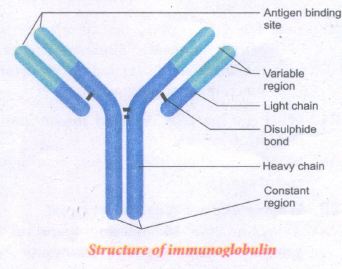
Paratope is an
Antibody binding site on variable regions
Antibody binding site on heavy regions
Antigen binding site on variable regions
Antigen binding site on heavy regions
9.
The Athlete’s foot disease in human is caused by _______
Bacteria
Fungi
Virus
Protozoan
10.
Exo-erythrocytic schizogony of Plasmodium takes place in _______
RBC
Leucocytes
Stomach
Liver
11.
Classify the drugs on the basis of their effects.
12.
List any five viral diseases, their causative agents, site of infection, mode of transmission and symptoms
13.
What is vaccine? What are its types?
14.
Given below are some human organs. Identify one primary and one secondary lymphoid organ. Explain its role. Liver, thymus, stomach, thyroid, tonsils.
15.
What is haemozoin?
16.
Name and explain the type of barriers which involve macrophages.
17.
How does immune system work?
18.
19.
Given below are some human organs. Identify one primary and one secondary lymphoid organ. Explain its role.
20.
Autoimmunity is a misdirected immune response. Justify.
21.
List out chemical alarm signals produced during inflammation.
22.
What are interferons? Mention their role.
23.
Explain the process of replication of retrovirus after it gains entry into the human body.
24.
Where are B-cells and T-cells produced in the human body? How do they differ from each other? Mention any two differences.
25.
Differentiate between:
Autoimmune disease and Immunodeficiency disease
26.
Why do you think it is not possible to produce vaccine against 'common cold'?
27.
List the common withdrawal symptoms of drugs and alcohol abuse.
28.
List the causative agent, mode of transmission and symptoms for Diptheria and Typhoid.
29.
What are the cells involved innate immune system.
30.
1.
(a)
Culex mosquito
2.
(d)
3.
(b)
Microglia
4.
(d)
All the above
5.
(b)
Naturally acquired passive immunity
6.
(a)
Single stranded RNA
7.
(a)
IgE
8.
(c)
Antigen binding site on variable regions
9.
(b)
Fungi
10.
(d)
Liver
11.
| Group | Drugs | Effects |
| Stimulants |
Amphetamines, cocaine, nicotine and tobacco |
Accelerates the activity of the brain |
| Depressants |
Alcohol, Barbiturates, Tranquilizers |
Slows down the activity of the brain |
| Narcotic/ Analgesics |
Opium, Morphine | Act as depressants on the Central Nervous System |
| Hallucinogens | Lysergic acid diethylamide (LSD), Phencyclidine | Distorts the way one sees, hears and feels |
| Stimulants, Depressants, Hallucinogens |
Bhang (Marijuana), Ganja, Charas |
Stimulating action on the CNS and affects the cardiovascular system |
12.
| S.No | Diseases | Caustive agent | Site of infection | Mode of transmission | Symptoms |
|---|---|---|---|---|---|
| 1. | Common cold | Rhino viruses | Respiratory tract | Droplet infection | Nasal congestion and discharge sore throat, cough and headache |
| 2. | Mumps | Mumps cirus (RNA virus)Paramyxa cirus |
Salivary glands | Saliva and droplet infection | Enlargement of the parotid glands |
| 3. | Measles | Rubella virus (RNA virus Parmyxco), | Skin and respiratory tract | Droplet infection | Sore throat, running nose cough and fever. reddish rashes on the skin, neck and ears |
| 4. | Viral hepatitis | Hepatitis - B virus | Liver | Parenteral route blood transfusion | Liver damage, jaundice, nausea yellowish eyes, fever and pain in the abdomen |
| 5. | Chicken pox | Varicella-Zoster virus (DNA Virus | Respiratory tract,skin and nervous | Droplet infection and direct contact | Mild fever with itchy skin, rash and blisters |
13.
(i) A vaccine is a biological preparation that provides active acquired immunity to a particular disease and resembles a disease-causing microorganism and is often made from weakened or attenuated or killed forms of the microbes, their toxins, or one of its surface proteins.
(ii) Vaccines "teach" our body how to defend itself when viruses or bacteria, invade it.
(iii) Vaccine initiates the immunization process. The vaccines are classified as first, second and third generation vaccines.
First generation vaccine:
(i) First generation vaccine is further subdivided into live attenuated vaccine, killed vaccine and toxoids.
(ii) Live attenuated live vaccines use the weakened (attenuated), aged, less virulent form of the virus
(iii) Eg. Measles, Mumps and Rubella (MMR) vaccine and the Varicella (chickenpox) vaccine, killed (inactivated) vaccines are killed or inactivated by heat and other methods. Eg. Salk's polio vaccine.
(iv) Toxoid vaccines contain a toxin or chemical secreted by the bacteria or virus.
(v) They make us immune to the harmful effects of the infection, instead of to the infection itself.
(vi) Eg. DPT vaccine (Diphtheria, pertussis and Tetanus), (Triple antigen).
Second generation vaccine: contains the pure surface antigen of the Pathogen. :
Eg. Hepatitis-B vaccine
Third generation vaccine: contains the purest and the highest potency vaccines which are synthetic in generation. The latest revolution in vaccine is DNA vaccine (or) recombinant vaccine
14.
(i) The primary lymphoid organ is thymus.
(ii) The secondary lymphoid organ is tonsils.
Role of Primary lymphoid organ: Thymus
(i) Thymus is most active during the neonatal and pre-adolescent periods.
(ii) The thymus is a flat and bilobed organ located behind the sternum, above the heart.
(iii) Each lobe of the thymus contains numerous lobules, separated from each other by connective tissue called septa (cross walls).
(iv) Each lobule is differentiate into an outer cortex and an inner medulla. Within each lobule, the developing T cells called thymocytes are arranged into an outer cortex and an inner medulla
(v) An inner medulla contains immature thymocytes and outer cortex has matured thymocyte
(vi) One of its main secretions is the hormone thymosin. It stimulates the T cells to become mature and immunocompetent. By the early teens, (upto 12-13 years) the thymus begins to atrophy and is replaced by adipose tissue (binding tissue).
Secondary lymphoid organ :
(i) The tonsils (palatine tonsils) are a pair of soft tissue masses located at the back of the throat (pharynx ).
(ii) The tonsils are part of the lymphatic system which help to fight against the infections. They stop invading germs including bacterin and viruses.
15.
It is a toxin produced by lysis of insected red blood cells in a person affected with malaria. This causes malaria symptoms such as fever, chills, shivering etc.,
16.
The type of barrier that involves macrophages are the
(i) Phagocytic barriers which is a type of innate immunity.
(ii) In this mechanism, specialised cells such as monocytes, Neutrophils and tissue macro phages pha cytose and digest whole microorganisms.
17.
The immune responses may be primary or secondary.
(i) The primary immune response occurs when a pathogen comes in contact with the immune system for the first time.
(ii) The secondary immune response occurs when a person is exposed to the same antigen again. During this time, immunological memory has been established and the immune system can start producing antibodies immediately. Within hours after recognition of the antigen, a new army of plasma cells are generated. Within 2 to 3 days, the antibody concentration in the blood rises steeply to reach much higher level than primary response. This is also called as "booster response".
18.
19.
(i) Primary Lymphoid organ: Thymus is a primary lymphoid organ.
Function: One of its main secretions is the hormone thymosin. It stimulates the T cell to become mature and immunocompetent.
(ii) Secondary Lymphoid organ: Tonsils is a secondary lymphoid organ.
The tonsils are part of the lymphatic system, which help to fight infections. They stop invading germs including bacteria and viruses.
20.
Autoimmunity is due to an abnormal immune response in which the immune system fails to properly distinguish between self and non-self and attacks its own body. Our body produces antibodies (autoantibodies) and cytotoxic T cells that destroy our own tissues. If disease-state results, it is referred to as auto-immune disease.
Thus, autoimmunity is a misdirected immune response. Eg., Rheumatoid arthritis and multiple sclerosis
21.
(i) An infection or tissue injury usually causes redness (rubber), swelling (tumor), pain (dolor). and production of heat (color) that may result in fever
(ii) Such localised expression is called inflammatory response, which occur due to release of certain chemical alarm signals such as histamine and prostaglandins.
22.
Interferons: These are the proteins made and released by host cells in response to the presence of pathogens such as viruses, bacteria, parasites etc
RoIe: They inhibit viral infections and stimulate the entire immune system to fight disease. They also regulate many kinds of cell functions
23.
(i) After getting into the body of the person, the virus enters into macrophages where RNA genome of the virus replicates to form viral DNA with the help of the enzyme reverse transcriptase.
(ii) This viral DNA gets incorporated into the DNA of host cells and directs the infected cells to produce viral particles.
(iii) The macrophages continue to produce virus and in this way acts like a HIV factory.
(iv) Simultaneously, HIV enters into helper T-Iymphocytes, replicates and produces progeny viruses. The progeny viruses released in the blood attack other helper T-lymphocytes. The process is repeated.
(v) During this period, the person suffers from bouts of fever, diarrhoea and weight loss. Due to decrease in the number of helper T lymphocytes, the person starts suffering from infections and becomes immune deficient and unabie to protect against any infection.
24.
B and T cells are the two type of lymphocytes. Both are produced in the bone marrow.
| S.No | B lymphocytes (B cells) | T lymphocytes(T cells) |
| i. | They stay in the bone marrow until they are mature. |
T lymphocytes leave the bone marrow and mature in the thymus gland. |
| ii. | B cells can bind with antigens and produce antibodies or become memory cells. |
T cells do not produce antibodies. They recognize antigen cells and destroy them presenting. |
| iii. | It is not classified into different types. | T cells are of two types. Helper T cells and KillerT cells. |
25.
| S.No | Autoimmune disease | Immunodeficiency disease |
| i. | If the immune system of the body fails to distinguish foreign molecules from self, then it reacts destructively against the host's own molecules. This is known as autoimmune disease. |
An immunodeficiency disease results from the failure of one or more components of the immune system which could be due to genetic reasons, radiation, infections etc., |
| ii. | Eg: Multiple sclerosis is a autoimmune disease | Eg: AIDS is a Immunodeficiency disease. |
26.
The common cold has evaded medical sciences advances for two primary reasons:
(i) The first issue is that the colds are most often caused by a rhinoviruses-a large family of viruses with hundreds of variants. This makes vaccination an impossibility and gives our immune system a challenging task.
(ii) Secondly, these viruses evolve rapidly so even if we could produce vaccines to cover the full spectrum of rhinoviruses, they would quickly become resistant.
27.
(i) Mild tremors to convulsions.
(ii) Severe agitation and fits.
(iii) Depressed mood.
(iv) Anxiety.
(v) Nervousness.
(vi) Restlessness.
(vii) Irritability.
(viii) Insomnia.
(ix) Dryness of throat.
28.
(i) For Diphtheria:
Causal agent: Corynebacterium diphtheria.
Mode of Transmission: Droplet infection through breathing.
Symptoms: Fever, sore throat, hoarseness and difficulty in breathing
(ii) For Typhoid:
Causal agent: Salmonella typhi
Mode of Transmission: Through contaminated food and water
Symptoms: Headache, abdominal discomfort, fever and diarrhea.
29.
(i) Certain types of leukocytes (WBCs), such as polymorphonuclear leucocytes (PMNL), neutrophils, monocytes, and natural killer cells [NK cells] (a type of lymphocytes) in the blood as well as macrophages in tissues can phagocytose and destroy microbes
(ii) Besides the phagocytes there are natural killer cells (NK cells) in the body which kills virus infected and some tumor cells.
(iii) These cells are categorized under the cellular barriers.
30.

12th Standard Syllabus & Materials
12th Standard
TN 12th Computer Applications களப்பெயர் முறைமை (DNS) Sample Question Papers Study Material - QB365 Set A
NEW12th Standard
TN 12th Computer Applications வலையமைப்பு எடுத்துக்காட்டுகள் மற்றும் நெறிமுறைகள் Sample Question Papers Study Material - QB365 Set A
NEW12th Standard
TN 12th Computer Applications கணினி வலையமைப்பு ஓர் அறிமுகம் Sample Question Papers Study Material - QB365 Set A
NEW12th Standard
TN 12th Computer Applications PHP-உடன் MySQL-ஐ இணைத்தல் Sample Question Papers Study Material - QB365 Set A



Tamilnadu Stateboard 12th Standard Subjects

Maths

Chemistry

Physics
Biology

Computer Science

Business Maths and Statistics

Economics

Commerce

Accountancy

History

Computer Applications
Biology
Computer Technology
Computer Applications
Computer Science
Business Maths and Statistics
Commerce
Economics
Maths
Chemistry
Physics
Computer Technology
History
Accountancy

Tamil

English

French
Tamilnadu Stateboard Standards


